As an Amazon Associate we earn from qualifying purchases.
Who is opening the can on an ordinary day?
If you prepare meals for someone else, choose an opener for the way cooking is shared. A tool that works when you set up every tin may be frustrating when the other person makes their own lunch. Ask which step they would like to keep doing and where they want help. For a cook who can raise a can to a fixed head, the Cuisinart CCO-50BKN removes the crank and stops when the cut finishes. The original Kitchen Mama Auto keeps the tin on the worktop but needs a second press. A familiar manual tool can be a sensible choice when the caregiver does the cutting.
Before buying, name the person who will do four things: bring the tin to the prep area, seat the cutter, handle the controls and remove the lid. Talk through those steps where the meal is usually prepared. The answers may differ between a quick lunch and a dinner cooked together. For shopping advice centered on the user's own grip, see the weak-grip guide for older cooks. This comparison focuses on sharing the work.
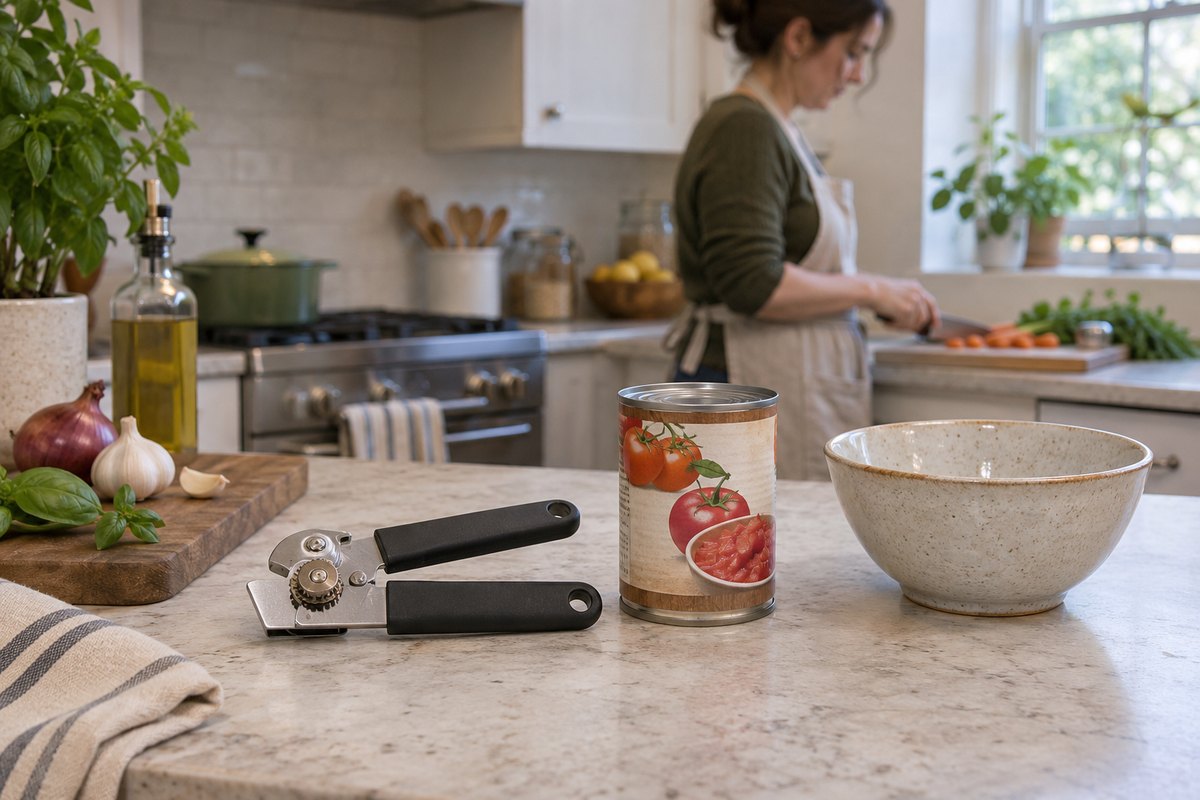
Three useful setups
Put the model name and normal stop action on the caregiver’s kitchen note. On the CCO-50BKN, the automatic stop follows engagement at a fixed head. The original Kitchen Mama Auto uses a separate stop press with the tin resting on the counter. The OXO Soft-Handled uses a manual crank and has hand-wash care instructions. These are three different routes for a substitute caregiver. Add a line saying who handles the detached lid and where the booklet lives.

Cuisinart CCO-50BKN for a shared countertop station: Cuisinart Deluxe Electric Automatic Can Opener CCO-50BKN
Powered cutting with automatic stop. Confirm that the person doing setup can bring an intact, compatible can to the head.
View on Amazon (opens in a new tab)The CCO-50BKN review explains when the lever can be released and how to remove the can. Choose it when an outlet and a clear section of counter are already part of the routine. Leave room beside the machine for the opened tin. The lid magnet only holds lids attracted to it, so plan how the lid will be handled if it stays with the can. This is a good question to settle before asking one person to finish the job alone.
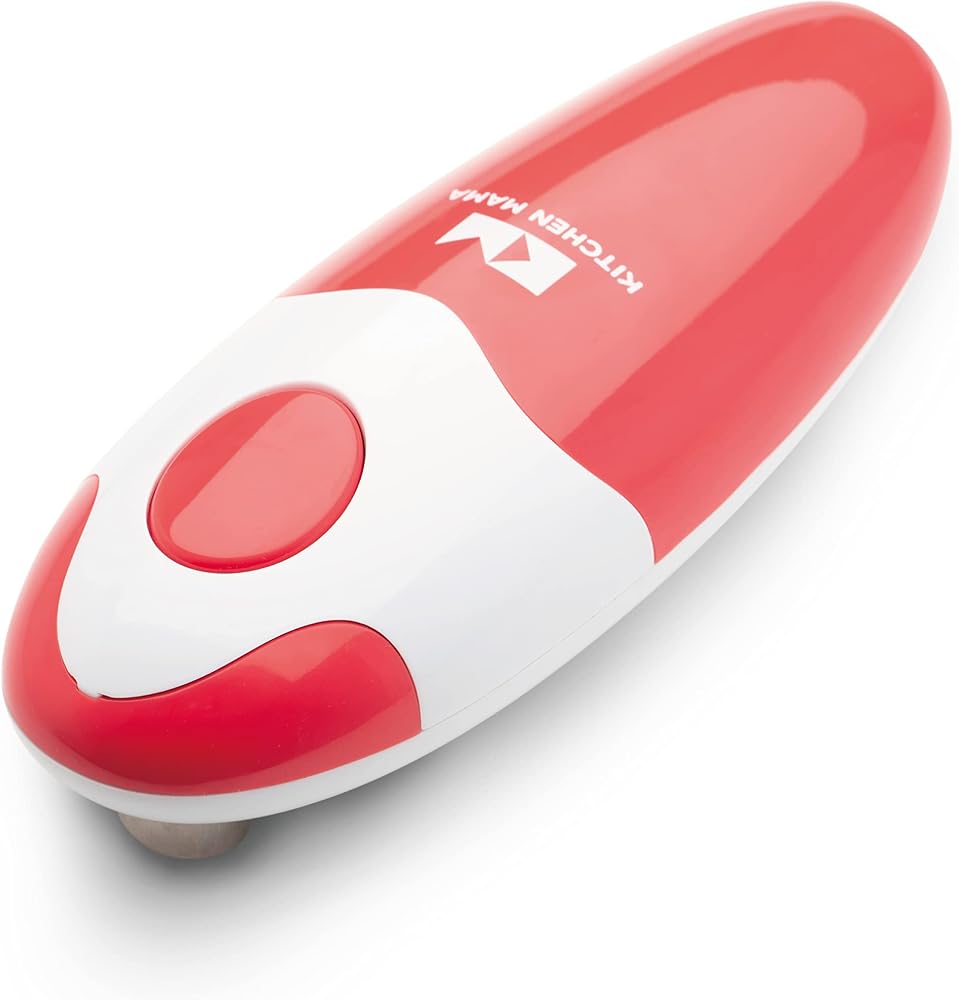
Original Kitchen Mama Auto for a can that stays on the counter: Kitchen Mama Auto Electric Can Opener Battery Operated Red
A handheld battery model that starts with one press and stops with another, according to its instructions.
View on Amazon (opens in a new tab)See the original Auto review for battery and control details. This layout can work if the cook would rather move the tool than lift a full tin. Check whether they can retrieve it from its storage spot, set it on the rim, reach the control twice and remove it after stopping. If the caregiver handles battery changes, keep a spare set where both people can find it and agree on who will replace them. The tool may be fine for everyday use even though one person handles occasional maintenance.

OXO Soft-Handled for the cook who already uses a manual crank: OXO Good Grips Manual Can Opener And Bottle Opener Soft Easy-Grip Handle
A conventional rotary tool for someone who can hold the handles shut while turning with the other hand.
View on Amazon (opens in a new tab)The Soft-Handled review describes the grip and cleanup. A manual tool may suit a caregiver who regularly opens several tins and puts the cutter away after meals. If the other person wants to use it, try the hand position with them before deciding. Padded handles can change how the tool feels. The user still has to provide the squeeze and turn. The options here are compared using their documented controls. We did not run trials involving care recipients.
Try the routine together before making it permanent
Choose a meal the person already prepares. Use an intact can supported by the opener directions. Ask where they want to place the can and where the loose lid should go. If they want to do the setup, leave time for them to get the tool and position it without someone stepping in automatically. Stay nearby for the part you have agreed to handle. A short trial can tell you whether the whole task goes smoothly or whether a single handoff would be more helpful than taking over the recipe.
Make the handoff at a stable point, with the tool stopped and the can supported, instead of passing a can or tool during a cut. Arrange the counter so the person receiving it can work from their side. If one person opens and the other drains, place the colander or bowl before starting. That can be easier than moving an open tin around a cutting board or a sink full of dishes. Our one-handed opener guide breaks down the setup and removal steps if only one hand is available.
Watch for a difference between the tool being easy to demonstrate and easy to use on another day. Someone may like the button while the device sits on the counter, then leave it unused because it went back into a high cupboard. Have the intended cook decide where it goes after washing or wiping. If a countertop unit has a removable lever, make sure everyone knows where the part dries and who reattaches it. Follow the model instructions. The electric opener cleaning guide covers the difference between a removable cutting assembly and a motor housing.
Plan for the meals you are not there to help with
Pick a backup meal or another container the person can comfortably handle if the opener fails or the batteries run down. A pull-tab container may simplify one meal, provided the person can lift the tab and remove the lid as directed. A can of the same food in a different package may call for an entirely different tool. Keep that in mind when buying groceries. For small counters, the compact opener guide helps identify a setup that can stay available without getting in the way of the next task.
If a caregiver visits only a few days a week, it can be useful to put a quick reminder near the tool. Write the model name and the normal stop step, and keep the directions in reach. If the tool jams or the cut stops early, set the task aside and check the booklet before touching the edge or forcing the mechanism. A clear fallback matters more than memorizing every food can the tool might accept.
Try the same routine with a second kind of can before you buy in bulk. A small tuna tin may be easy to carry but awkward to see under a countertop head. A tall can of tomatoes may be easier to align and harder to lift or drain. Write down which one the cook can manage and which one needs a handoff. The difference might change your grocery list rather than your opener. If someone else shops, tell them the container size and shape that worked instead of sending only the brand name. Packaging can change while the food stays the same.
A practical shopping decision includes the part of the kitchen that cannot be rearranged. In a narrow galley, the best outlet may be on the side that leaves no room for a second person. If you are sharing prep, place the closed cans, opener and lid tray so one cook can step back before the other approaches. That helps you avoid working shoulder to shoulder with a cut lid between you. A handheld model can make it easier to move the opening task to a different stretch of counter. A fixed machine is convenient when both people already use the same workstation.
After a week, ask what happened the last time the tool was used without a demonstration. Someone may have needed help finding it, deciding when to stop or removing the loose lid. Use that answer to change the setup before shopping again. Keeping the manual beside the tool or putting the discard tray within reach may fix a problem that looked like a hardware issue. If the same step remains uncomfortable, compare an opener that changes that action.
Frequently asked questions
Is automatic stop the same as automatic lid removal?
No. The Cuisinart finishes the cut, but the person still needs to lower the can and handle the lid.
What should we try first?
Use one intact can from a familiar recipe. Agree on who sets up the opener and who removes the lid.
When is a manual opener useful?
It can be a good fit when the caregiver does the cutting and is comfortable holding the handles closed while turning.
How can I help without taking over the task?
Ask the person which steps they want to do and agree on a handoff point with the cutter stopped and the can supported.
Our verdict
Choose the opener based on who will actually place the can and handle the lid. Pick the fixed-head Cuisinart when lifting a tin is manageable and automatic stop matters. Pick the handheld Auto when the can should stay at counter height and a second press is comfortable. Keep a familiar manual cutter if it already serves the cook doing the work.