As an Amazon Associate we earn from qualifying purchases.
Set the can down before reaching for the lid
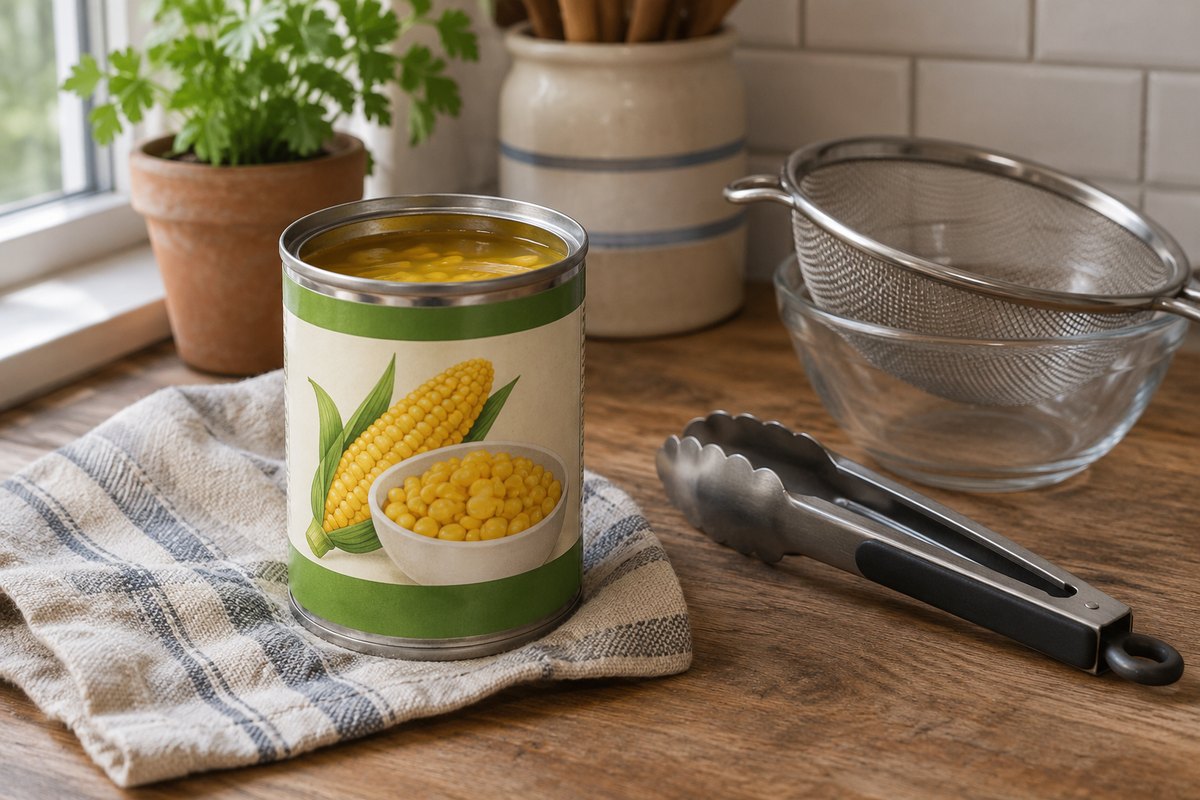
If a lid falls into a can, leave the can upright on a stable worktop. Turn off the opener if it is still running. Keep your fingers away from the rim and do not reach into the food. If the lid is fully separated, intact and visible, and you have no reason to suspect contamination, use a clean utensil such as tongs to lift it by a section you can grasp securely. If the lid is trapped, the metal is torn, a part of the cutter is missing or you cannot confidently rule out fragments in the contents, replace the can.
A lid can fall as a whole piece during a normal top cut. It can also dip into the can when the head slips and the cut stops early. Those situations may look alike from across the counter, so pause and check the difference before tipping food into a pan. The incomplete-cut guide covers the second case. Avoid using it to rescue a tin with visible torn metal or a seal that was already questionable when you took it from the cupboard.
Check which situation you are dealing with
- Stop and release the opener as its instructions specify. If the can is suspended at a fixed cutting head, support it as directed when removing it. If the head is stuck, use the model's release procedure.
- Look at the lid and the cut without touching the metal. A loose, whole lid is different from a lid connected by a strip of metal. Do not fold or snap an attached lid by hand.
- If a whole lid is visible and there is a clean way to grasp it, lift it slowly with a clean utensil while the can stays upright. Set the lid in a suitable tray or disposal container. If you cannot get a secure hold, set the can aside.
- Stop if you see a torn edge, a missing piece or any reason to suspect metal in the food. Replace the can rather than trying to strain out pieces or locate them by touch.
Give yourself enough light to see both the lid and the edge of the can. In a shallow tuna tin, the lid may be across the top and easy to see. In a deep soup can it can sink below the surface or sit at an angle. If you would have to fish around for it, do not turn the can upside down to see what falls out. That can release the lid suddenly and spill the food. Decide whether you can grasp it with a clear view while the can remains on the counter.
If you need another person to help, ask them to bring a clean utensil and steady the work area before either of you handles the can. Two people reaching for the same lid can make the can less stable. Let one person do the actual removal while the other clears space for the lid tray. Avoid passing the open tin back and forth while the lid is loose inside. If the can starts to move when the tongs contact the lid, stop and set the utensil down. The can may be easier to replace than to keep upright during removal.
Decide whether to keep the contents
The FDA's guidance on hard or sharp foreign objects in food explains why they can cause injury. At home, a missing piece of metal is a reason to choose an intact replacement. A sieve, colander or fork cannot establish that you caught everything. If you already poured the contents into a bowl and then discover the lid or cutter is missing a piece, set the bowl aside as well. Let anyone sharing the kitchen know why it is there.
A lid also carries whatever was on its outside. The FDA home food safety guide recommends cleaning the lids of canned goods before opening. If a dirty lid fell into the can and you cannot tell what got into the food, take the conservative option and replace it. If the can was bulging, leaking or badly dented before opening, follow USDA guidance on damaged cans and discard it without tasting. For help distinguishing a slight cosmetic dent from more serious damage, see the damaged-can guide.
If a clean, whole lid dropped during an ordinary cut, the problem may be removal rather than broken metal. Still inspect the lid and tool once they are clear. Check for a piece missing from the cut edge and whether the wheel looks as it should. If you are uncertain where a small fragment went, you do not need to identify it before choosing a replacement. It is easier to leave a suspect tin out before preparing the rest of the meal than to trace where its contents went afterward.
A clean landing area helps if the lid comes out with liquid on its underside. Set the tray beside the can before you lift the lid, so you can move it a few inches instead of carrying it over a bowl of prepared food. Clean any splashes around the worktop afterward. If the tongs touched a lid or can whose contents you decided to discard, wash them before using them on another ingredient. Remember that the cleanup begins when you stop opening the can, even if you decide against trying to remove the lid.
Choose a lid-handling method for the next intact can

OXO Smooth Edge for lifting with built-in lid pliers: OXO Good Grips Smooth Edge Manual Can Opener No Sharp Edges Soft Grip
A side-cut tool with a separate step for lifting the lid. Read the maker's placement and pliers instructions.
View on Amazon (opens in a new tab)The side-cut guide compares several ways the lid separates. The OXO is worth looking at if you can turn a manual knob and want a tool to hold the lid as you move it. Check how the pliers reach the edge and where you will set the lid down. A side cut still needs the right fit and complete travel around the seam.

Cuisinart CCO-50BKN for a fixed head with a magnetic holder: Cuisinart Deluxe Electric Automatic Can Opener CCO-50BKN
The magnet holds compatible lids that are attracted to it. Keep a way to handle lids that do not stick.
View on Amazon (opens in a new tab)The black Cuisinart review explains why aluminum lids are not held by the magnet. If you open cans with a mix of lids, check how the machine handles each type. Put the opened can somewhere stable before dealing with the detached lid. A magnet is useful only if it holds the lid you have.

GoodCook Safe-Cut for a manual outer-seam cut: GoodCook Safe-Cut Can Opener With Easy Turn Knob Black
Compare the seating and removal steps with your usual top-cut opener. Use intact compatible cans.
View on Amazon (opens in a new tab)The GoodCook review covers the cutting position. A different cut can be useful when the part you dislike is the disk left by a conventional opener. Check fit before changing tools, especially if the problem happens with only one kind of tin. These examples describe the published mechanisms. We did not test tools on damaged cans or measure how frequently lids fall.
Make one small change to the next prep session
Clean the lid before opening, then clear a dry spot beside the tin for the opener and a separate spot for the lid. If the cutter slips on more than one intact compatible can, check the head and rim contact. Our rim-grip guide explains how to check for alignment problems. If the wheel looks damaged or a part has come loose, stop using the tool and follow the mid-cut failure guide rather than trying a stronger grip.
Before replacing an opener, check which lids cause the trouble. If only one product consistently slips, examine its shape and the maker’s compatibility guidance. If several sound cans behave the same way, a change in cutting path or lid holder may help.
Frequently asked questions
Can I lift the lid out with my fingers?
Keep fingers away from the rim and lid. Use a clean utensil only if the detached lid is intact, visible and can be grasped securely.
Can I strain the food if I think a fragment fell in?
Choose an intact replacement if fragments are suspected.
What if the lid is still partly attached?
Keep fingers off it and follow the opener instructions for releasing the tool. Do not bend the metal back by hand.
Will a magnet hold every lid?
It holds lids attracted to it. Check the model instructions for other lid materials.
Bottom line
Use a clean utensil only if the lid is whole, visible and easy to grasp, and the food is otherwise sound. Keep fingers away from the rim. If there is a torn edge, suspected contamination or any doubt about possible fragments, use an intact replacement.