As an Amazon Associate we earn from qualifying purchases.
The short answer
If an opener stops halfway around, set the can down and stop the tool. Keep your fingers off the lid. Look at the part of the rim where the head stopped moving. A short cut that ends at a visibly damaged seam sends you down a different path from a motor that stopped before the head finished traveling. Release the opener using its instructions, then decide whether the can and tool are still suitable to use. If you cannot verify that without handling a partly cut edge, leave the lid alone and use a different can.
Find out what stopped moving
With a manual rotary opener, the knob can keep turning while the head remains in the same place. That suggests the mechanism is no longer traveling along the rim. If the head is visibly tilted or stopped at a section with a different shape, check the placement instructions before assuming the blade is dull. A proper diagnosis starts with how the cutting and drive wheels sit. A larger knob supplies more leverage, but it will not put the mechanism back in the right position.
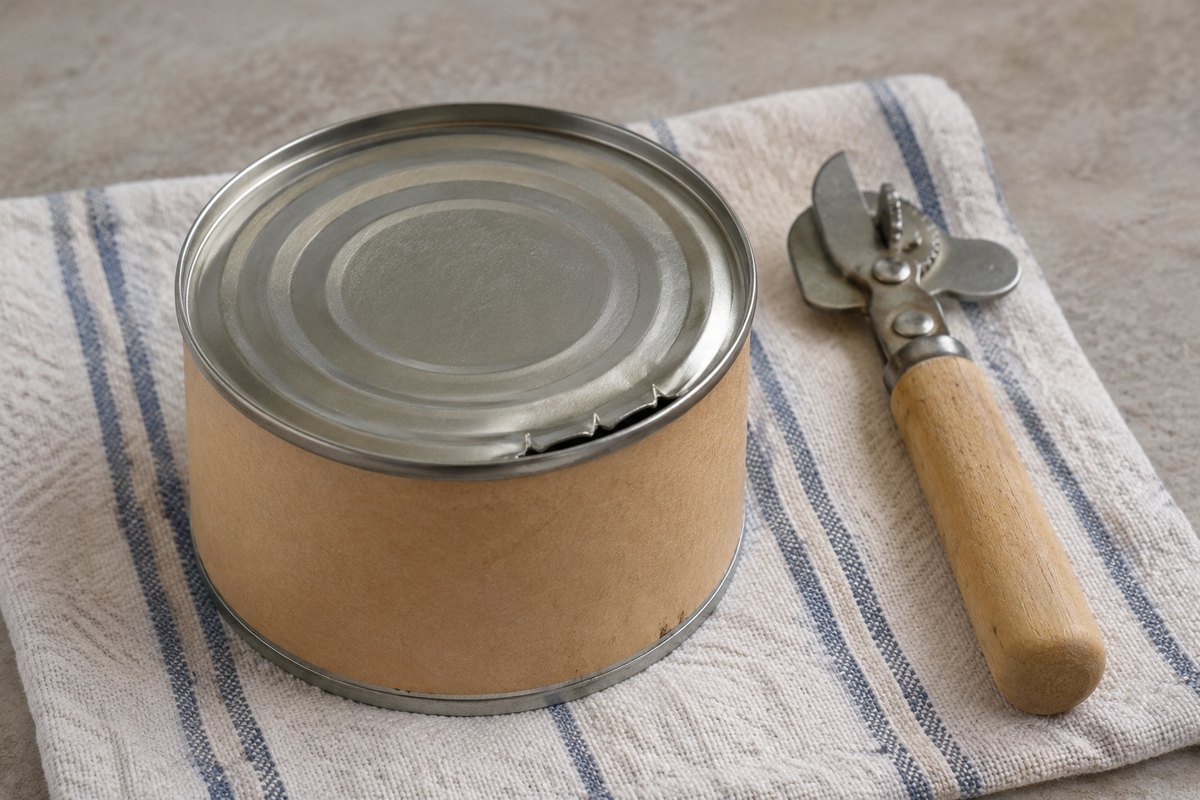
A side-cutter can feel different at the end of a normal cut. On GoodCook Safe-Cut, the directions describe a change in resistance after the wheel makes its way around the outer bead. If you felt that change before the cutter traveled around the can, you may have lost engagement instead. Do not judge the lid by pulling up an edge. Follow the exact release instructions and inspect from above. Our Safe-Cut 11834 review explains how that feedback differs from the feel of a conventional opener.
On a powered tool, check which part usually moves. With a handheld electric opener, the device normally travels around the tin. With an upright countertop opener, the can moves at the fixed head. If the motor can be heard but the part that should travel stays still, stop and check the directions for release and alignment. If the motor has also stopped, consult the manual before taking the cutter off. It may have completed its normal cycle, lost power or stopped before completing the cut. The electric opener slowdown guide covers power and residue after the tool is clear of the can.
| Symptom | First check | What to do |
|---|---|---|
| Knob turns but head stays still | Rim engagement | Stop and verify seating |
| Side-cutter suddenly turns easily | Whether head traveled all the way around | Release according to the manual |
| Motor stops with lid attached | Model-specific stop and release directions | Verify power and rim only after safe release |
What to do with a partly cut lid
- Set the can upright and stop the tool. Keep hands clear of the open section.
- Use the release instructions for that model. Do not pull against a partly separated lid to free the tool.
- Look for damaged metal and any sign of contamination. If the can cannot be handled safely, use a different one.
Before starting over with another tin, check whether the first can was already damaged. A bump in the seam and a shallow mark in the side are not the same thing. USDA advises against using food from leaking, bulging or badly dented cans. A stopped cutter does not tell you if food is safe. If you see those warning signs, discard the contents without tasting. Our guide to dented tins explains what to look for before you put any tool on the rim.
If the can was intact before opening but the lid is now attached unevenly, do not use the loose flap as a handle. Rest the can on a clear surface. If the tool cannot be released as directed, or there is any possibility that metal has fallen inside, set the contents aside and use a replacement. The guide for a lid that falls into the can covers what to do when removal would put your hand near an edge.
Check whether the problem repeats
If you were able to release the tool and the instructions allow continued use, inspect the cutting head as directed. With a powered unit, disconnect it as its manual requires before working near the cutter. Look for dried residue at the points where the head grips the metal and for visible wear or looseness. A little residue on a surface can affect engagement, but cleaning will not restore a chipped wheel or a handle that no longer closes. Use the maintenance guide for a short list of places to inspect.
The next useful comparison is a fresh, intact can that the opener is designed to handle. If the same opener stops on several compatible tins, the tool or its power supply is a more likely explanation than a single unusual rim. If the problem only occurs on one type of tin, check the maker's size and shape guidance before spending money on a replacement. The rim-grip guide deals with a head that will not seat in the first place; this page focuses on an opening that already began.
When you compare cans, pay attention to where the tool stops. A repeatable stop at a particular point on one kind of rim is worth noting when you read the manual or contact the maker. Give the exact model number and explain whether the knob still turns, whether the motor is audible and whether a lid has already separated. That information is more useful than a description like it jams. After a failure, keep the instructions near the opener so the next person in the kitchen knows which release procedure to follow.
Keep track of what changed before the first failure. A new brand of tomato paste may arrive in a shorter tin with a different rim, while a familiar handheld opener may have had its batteries replaced the same week. Those are different leads. Start with the change you can verify in the manual or in the packaging, instead of changing the can, tool and batteries all at once. A photo of the rim on a fresh tin can help the manufacturer identify a fit problem without you having to handle the partially opened one.
For a countertop machine, give the can enough room to move without touching the counter or another object. Check the normal operating clearance with an unopened can and the machine off. If it cannot get into position without being tilted, look up the supported sizes before attempting another cut.
When a different tool is worth considering
Choose a replacement based on what actually failed. If the main problem was keeping a manual head engaged, verify that the alternative fits the rims you buy. If stopping a handheld motor was hard, look for instructions that explain the stop control and release. If bringing a full tin to a fixed head made it hard to keep it level, try a worktop design. The examples below describe different operating sequences. They are not ranked by how often they stall.

Manual side-cut example: GoodCook Safe-Cut Can Opener With Easy Turn Knob Black
GoodCook Safe-Cut has a short reverse movement in its release directions. It is worth comparing if you prefer a hand tool and can follow the side-cut positioning sequence.
View on Amazon (opens in a new tab)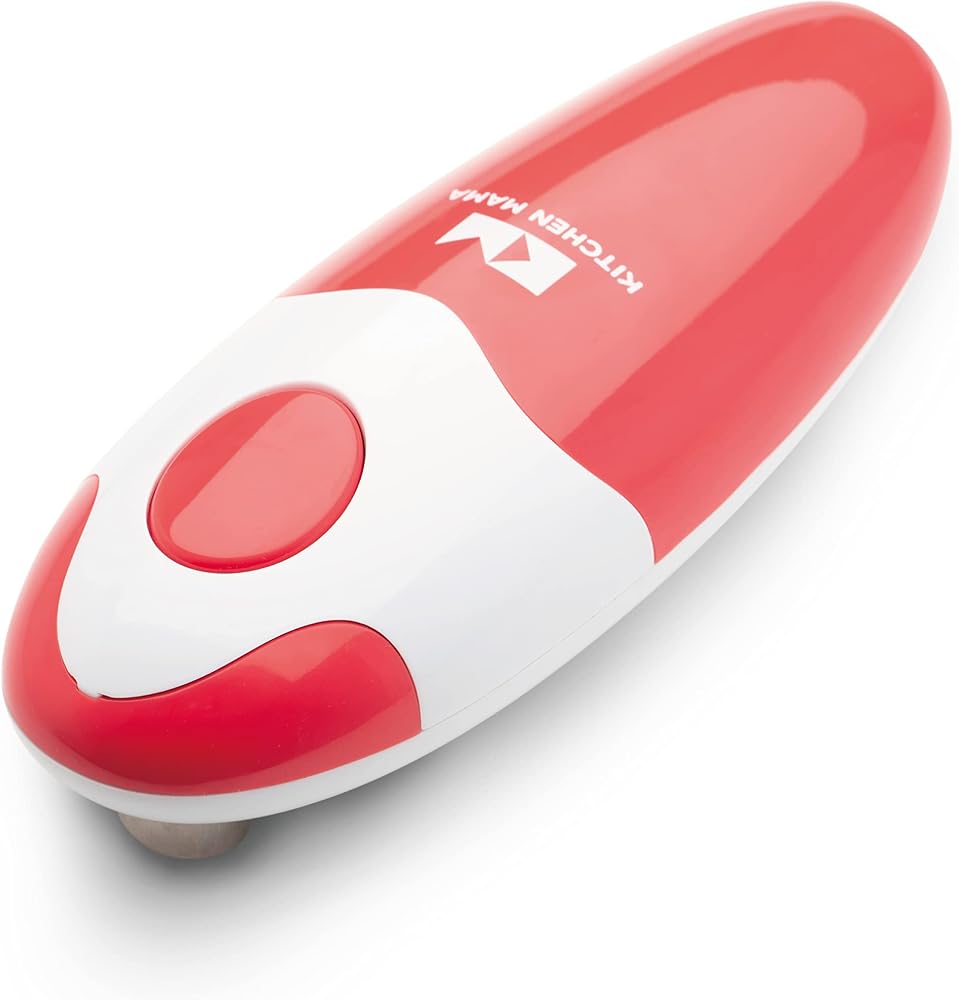
Handheld powered example: Kitchen Mama Auto Electric Can Opener Battery Operated Red
Kitchen Mama Auto uses a press to start and a second press to stop. Use the model support page for release and power guidance. Do not assume the original Auto and every other model have the same stop control.
View on Amazon (opens in a new tab)
Fixed-head example: Cuisinart CCO-55 Deluxe Chrome Electric Can Opener Silver
The CCO-55 instructions say cutting stops automatically once the can is open. The can remains in place until you lift the lever. Consider it when you can support the can under a fixed opening head.
View on Amazon (opens in a new tab)If the interrupted cut happened just once, outline the container and the operating steps before you replace anything. An opener that reliably works on your regular tins may simply be the wrong mechanism for that one package. On the other hand, repeated slips on compatible cans are a good reason to remove a worn tool from use. For a replacement under a specific budget, see the manual can opener shortlist.
- USDA guidance on damaged cans.
- GoodCook Safe-Cut operating directions.
- Kitchen Mama Auto support and Cuisinart CCO-55 operating booklet.
Frequently asked questions
Why does the handle turn without cutting?
The wheel may have lost engagement with the rim. Stop and check seating and the condition of the tool as directed.
Does a sudden drop in pressure always mean the cut is finished?
No. A side cutter may change resistance at the end, but it can also lose contact early. Confirm the full travel and follow the release directions.
Should I force the lid up to finish?
No. Keep hands off a partly cut lid and use the release instructions. If it cannot be handled safely, use another can.
Do fresh batteries fix every mid-cut stop?
No. Check the model directions and compatible rim. Batteries do not correct poor engagement or an incompatible tin.
When is replacement worth considering?
When trouble repeats on intact compatible cans after using the manufacturer’s setup, power and cleaning directions.
The practical takeaway
Stop first, release by the model directions and keep your hands away from a partly cut lid. Then separate an unusual rim from a fault that repeats on compatible tins. Use the instructions to make that distinction before spending money or trying to finish an unsafe cut.