As an Amazon Associate we earn from qualifying purchases.
Read the lid before opening the can
Put a tin of beans and a tin of tomatoes on the counter with their labels facing away. The part that tells you which opener to reach for is the lid. An intact ring attached to a scored panel is designed to lift that panel. A plain lid has no ring, and a compatible cutter needs a rim it can engage. A glass jar with threads under its cap needs a grip for turning. Run through those checks while the container is still sealed and dry. A picture of a finished meal or the front of the label tells you very little about the opener you will need.
The useful distinction is how the package releases. A ring on a drink can may open a small pouring hole while leaving the rest of the panel in place. A ring on a food can often frees a much larger section. A screw-top lid moves around the neck of a jar. Instructions on the actual package take priority. For jars that slip on the counter, see the jar grip and base-support guide. That is a separate problem from getting under a flat pull ring.
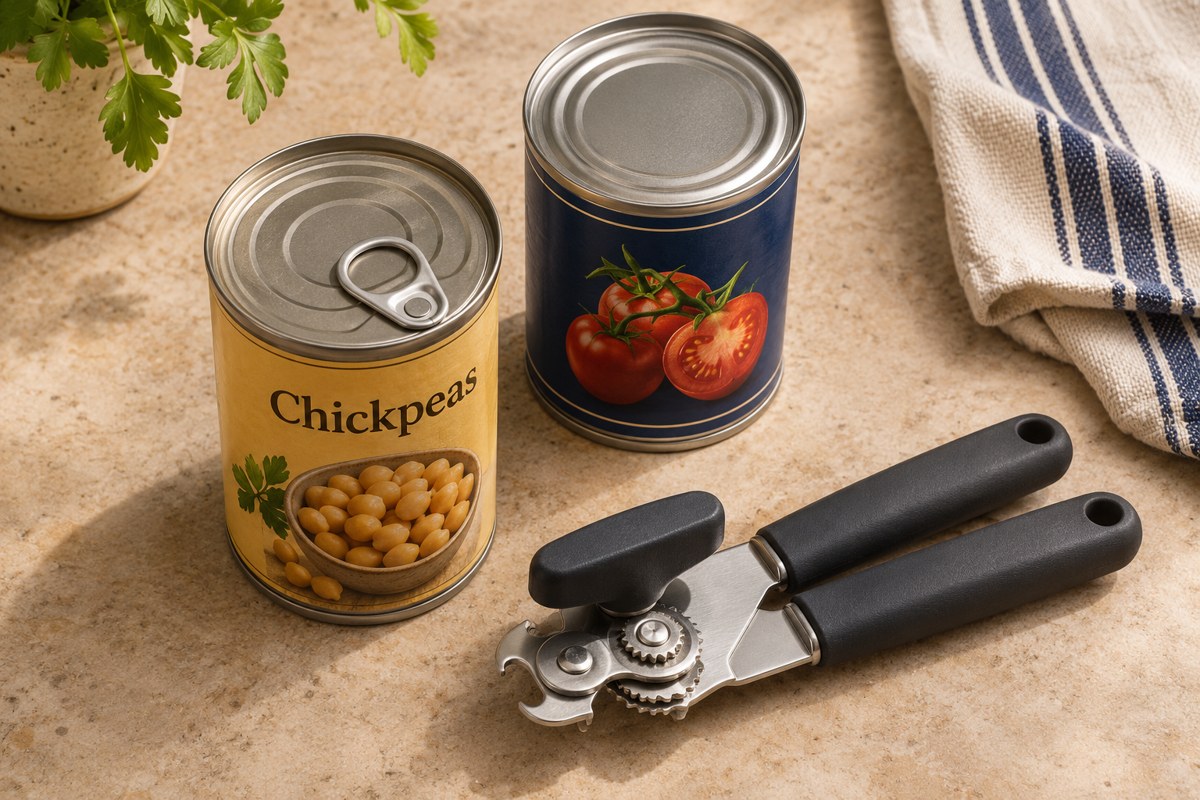
When a pull ring is intact but hard to lift
Look at the gap beneath the ring from the side. A tab aid needs an intact ring and enough clearance for its tip to engage as directed. A small ring tucked into a recess can be harder to reach than one standing clear of the lid. The Jokari product page shows how a hooked tool rocks against a compatible ring. Check the exact package and tool directions before using it. If you have to chase a sliding tin across the worktop to get the tip under the ring, stop and improve the setup.

Jokari Ring Pull Can Opener: Jokari Ring Pull Can Opener For Soda And Food Cans Arthritis Aid Black
Consider this if your usual food can has a reachable, intact pull ring. Confirm the selected pack and test the hook position on your common can size.
View on Amazon (opens in a new tab)Set a shallow food can on a dry, level surface and make room for the panel to move away from your working hand. Have a place to set the lid before starting. Keep fingers clear of the panel as it separates. If the ring breaks or the cut stalls, put the container down. For an opened or partly opened package, do not improvise with a blade or twist the panel free. The guide on what to do when an opening goes wrong explains how to choose a replacement safely.
When the package needs a cutter
A plain food can usually brings the opening decision back to two things: the rim and the motion you can repeat comfortably. Inspect the entire rim before setting the tool on it. A top-cut manual opener needs to seat correctly before you crank. A handheld electric opener has its own placement and stop sequence. If a cutter slides before the first turn, the rim grip troubleshooting guide helps you check the engagement instead of forcing the tool.

OXO Soft-Handled Manual Can Opener: OXO Good Grips Manual Can Opener And Bottle Opener Soft Easy-Grip Handle
Consider this for compatible plain-rim food cans when you can close the padded handles and turn the knob comfortably.
View on Amazon (opens in a new tab)The OXO Soft-Handled product page identifies the padded grips and the oversized turning knob. Those details are useful when you already like a conventional crank but want more surface for your fingers. Picture the tool on a short can as well as a tall one. The counter and the side of the can can leave different amounts of room for your knuckles. If your main concern is how the lid comes away, read the side-cut versus traditional comparison before buying.
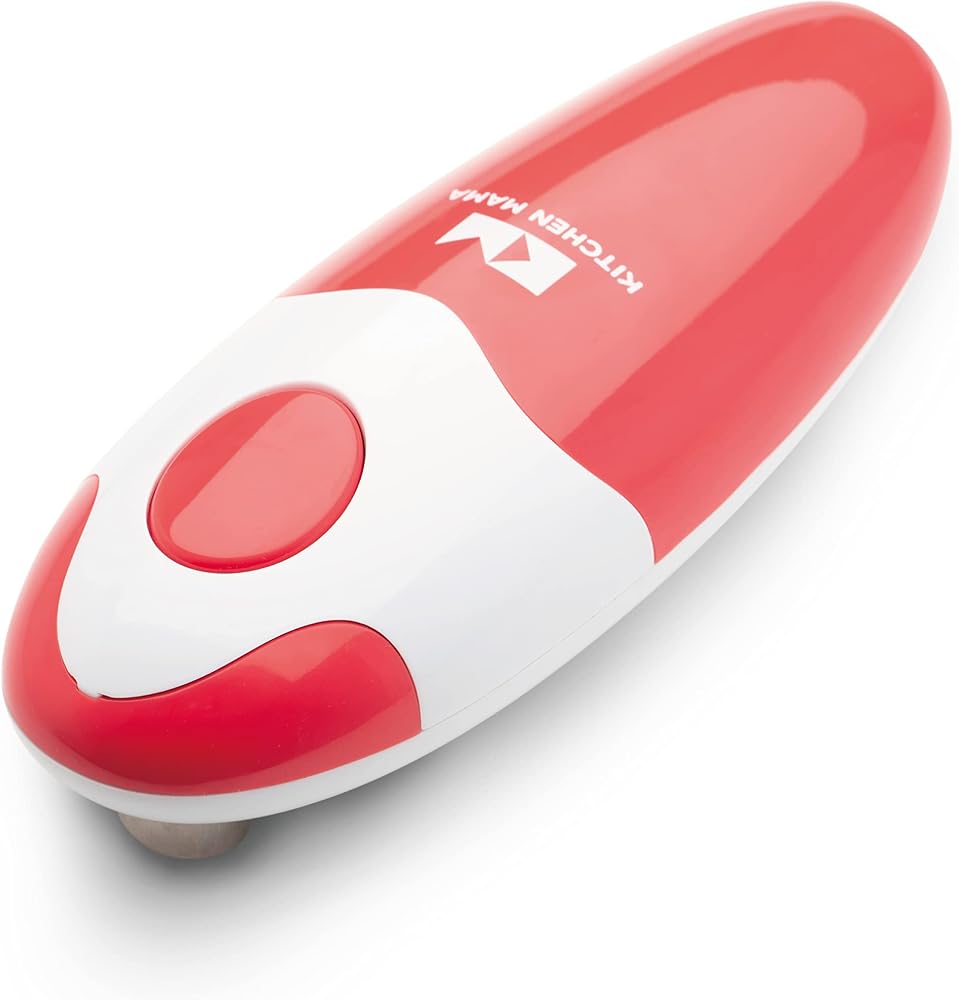
Kitchen Mama Auto for compatible plain-rim cans: Kitchen Mama Auto Electric Can Opener Battery Operated Red
Consider the original Auto when you want the can to sit on the worktop during a powered cut. Check the fit list and the separate stop press for this model.
View on Amazon (opens in a new tab)The original Kitchen Mama Auto instructions describe placement and a separate press to stop. Review both steps before putting batteries in. If you often buy both pull-tab and plain-rim tins, read the compatibility guidance rather than assuming the cutter may be used on every tabbed lid. The frame, pull ring and shape of the rim can change where a tool sits. We compared documented mechanisms for this guide and did not measure the force needed to lift rings or turn cranks.
Choose around what is actually in your pantry
Check the next few meals you already plan to make. If almost every can has an intact ring but you often ask someone else to lift it, a dedicated tab aid is a small tool with a clear job. If you keep beans, fish or tomato products in both kinds of tins, keep a cutter within reach and decide separately whether a tab aid earns its drawer space. Use a package photo that shows the lid when ordering groceries online. Packaging can vary by can size and brand, including within the same line.
Try the hand movements with a sealed can before choosing either tool. See whether you can hold the container still, reach the control and put the opened lid aside. With a powered cutter, also decide where the batteries and instructions will live. With a manual one, make sure the handles clear the backsplash and that you can set the opener down without crossing over the food. When only one hand is available, the one-handed setup guide covers where to put the can, the bowl and the lid tray.
A damaged package needs its own decision. Check the dented-can guide and the USDA guidance on damaged cans before choosing an opener. A swollen or leaking tin, or a deeply dented seam, belongs out of the meal. If a can you planned to serve is unsuitable, use another intact can or choose an ingredient that does not need an opener. Get the replacement out before cleaning the work area so the two containers cannot be confused.
For a shared household, organize the tools by the way the cans open. The tab hook can lie beside the manual cutter, with its tip visible when the drawer opens. Anyone new to the kitchen can tell which one to take by matching the hook to the ring or the cutter to the rim. If one person usually opens a can and someone else handles the food, agree where the top goes as soon as it comes free. A spare saucer or a clear spot beside the sink can keep that handoff predictable.
A quick shopping exercise can save a return. Look at a shallow tuna can, a taller vegetable can and a screw-top sauce jar. If the tuna can has a low ring inside a recess, look for a diagram that shows whether the lift tool's tip can get underneath it. For the vegetable can, check its height against the cutter's working position. For the jar, measure across the outside of the lid and watch whether the base slides first. Those checks give you three specific questions to ask the seller instead of asking whether the product opens everything.
Consider how often you switch between packages. A household that opens several plain-lid cans a week may want to keep its cutter out during meal prep. When you rarely use cans and most of the ones you buy have rings, keeping a simple cutter in reserve can make more sense. If you are shopping for someone else, have them pick the packages they want to handle and talk through where they would put the lid. The easiest setup is the one they can repeat in their own kitchen.
Frequently asked questions
Does a ring-pull tool cut through metal?
It lifts a compatible ring. The package’s scored panel provides the opening path.
Can an electric cutter open every ring-pull can?
Check the exact model’s fit instructions and the package. Lid and ring shape can affect placement.
What if the pull ring snaps?
Stop and set the can down. If the panel is partly open or deformed, use an intact replacement instead of forcing it.
How can I tell a jar opener from a can opener?
A jar opener grips and turns a threaded cap. A can cutter engages a suitable metal rim.
Do I need both a tab aid and a can cutter?
Check the packages you buy and the steps you can do comfortably. A tab aid earns its place when a reachable ring is the step you need help with.
Start with your two most common cans
Keep one example of each lid shape on the shopping list for the next trip. If the ring is intact and normally the hardest part, compare a tab aid against that exact package. If the can has a plain rim, choose a cutter whose placement, stop and release you can manage. A mixed pantry may justify both tools, especially when they fit in the same drawer and people in the household know which one to reach for. The quickest check is still looking at the lid before you open the drawer.