As an Amazon Associate we earn from qualifying purchases.
Look at where the wheel made its cut
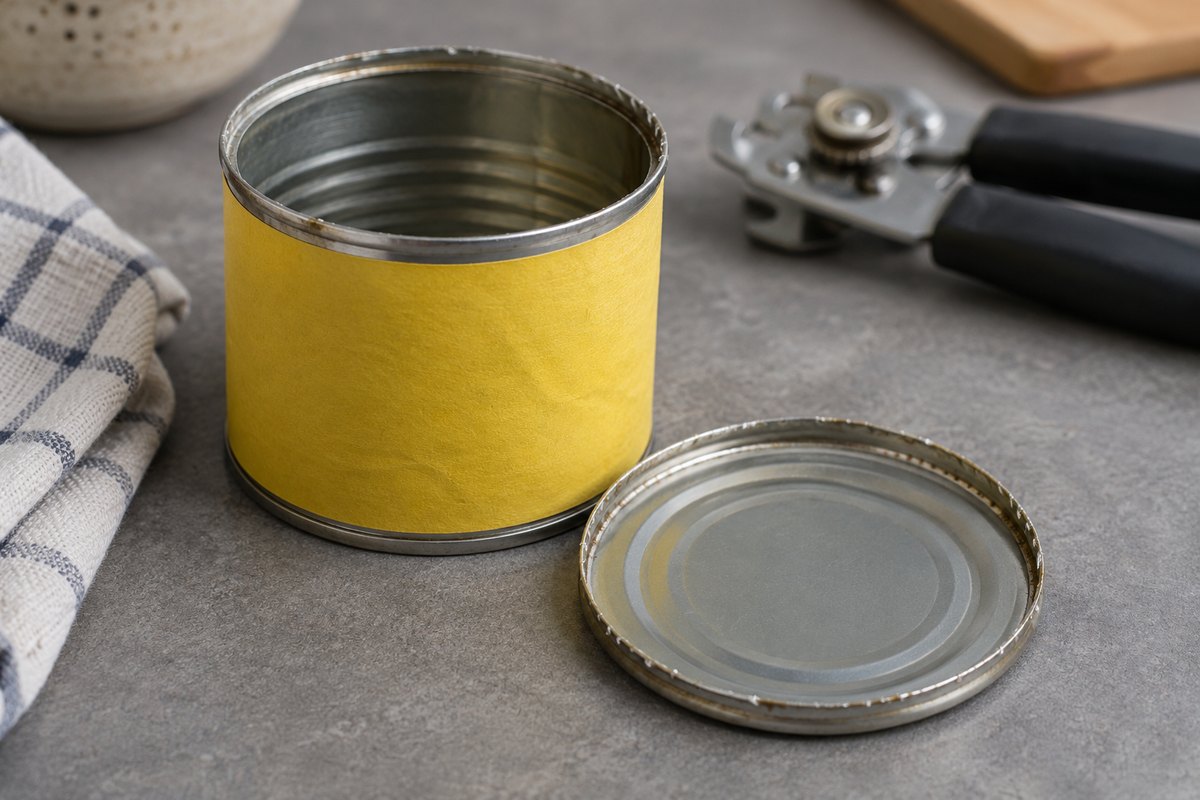
A sharp edge on the disk from a conventional can opener can be an ordinary result of cutting through the metal inside the rim. A ragged edge, an attached tab of metal or a cut that changes height partway around the can points to a different problem. Stop and look at the cut without touching it. If the wheel failed to travel evenly, check its seating and condition once you have safely removed the tool. If your goal is simply to avoid handling the disk left by a conventional cutter, compare a side-cut model and its lid-removal method.
The South Dakota State University Extension can opener guide notes that the lid of a can opened with a conventional manual tool has sharp edges. Treat the piece as sharp even if the cut looks even. No visual inspection can tell you that an edge is safe to handle with your fingers. The checks below distinguish a normal cut path from reasons to stop using an opener.
Identify the pattern before making another cut
- Stop turning or use the model's stop control. Allow movement to end before releasing the head as directed. Keep fingers clear of the cut and the wheel.
- Look for a cut that follows a consistent line. On a conventional cutter a clean, complete disk can still have a sharp edge. If it is fully separated, use the opener's directions for safe removal and disposal.
- Look for an uncut section or jagged metal. If a section is still attached, avoid bending or snapping it off. Follow the directions for an incomplete cut and check the rim and head once the opener is free.
- Set aside any can with torn metal or suspected fragments in the contents. Use an intact replacement if you cannot establish that the contents are clear. Never try to feel for fragments with your fingers.
A partially attached lid can look as if it has just one stubborn spot. From above it may be hard to tell if that spot is an uncut bridge or if the lid has folded back against the rim. Do not use your fingers to investigate. The incomplete-cut guide covers what to check when the wheel stops early. If the head remains attached, look up the correct release procedure before trying to raise the lid or pull the opener away.
Notice whether you have seen the same result with more than one can. If a familiar opener leaves a consistent sharp disk every time, that may be the expected consequence of the top cut. If it has suddenly started leaving rough sections on cans you used to open cleanly, that change is more informative. Check the tool and the rim separately. A different batch of cans may have a different seam, while a worn or dirty tool can behave differently even when the can is unchanged. Avoid testing again on an opened edge.
Check the rim and then the cutter
One possible cause is that the cutting head shifted. If the wheel starts on the correct line and then moves away from it, examine the rim, seating and whether the handles remained in the operating position. A tool that fails to grip every time you use a particular tin may simply be incompatible with that rim shape. Try a different sound can that the maker says the opener supports, and stop if it skips again. See how to check rim grip for a more detailed sequence.
Another possibility is wear, residue or damage. Consult the instructions for how to inspect and clean the head, and disconnect power first when the manual requires it. Look for a wheel that is visibly bent, a cracked handle or a part that no longer seats as shown in the diagram. If you find damage, stop using that opener. Repeated slips on intact compatible tins also deserve attention, especially if correct seating and cleaning have not helped. The can opener maintenance guide explains how to check for ordinary buildup and wear.
Check the tin as its own item. A sharp crease through a seam or a deeply dented can is a food safety question before it is a cutting problem. Do not try to make a damaged can open by pushing harder or by changing the cutter. Read the USDA-based guide to damaged cans if the rim or body shows damage. A sound replacement lets you investigate the tool separately from the condition of the container.
Compare tools by the kind of edge and the release step

OXO Smooth Edge for a side cut and separate lid pliers: OXO Good Grips Smooth Edge Manual Can Opener No Sharp Edges Soft Grip
The maker describes a cut below the rim and built-in pliers for lifting the separated lid.
View on Amazon (opens in a new tab)The OXO Smooth Edge instructions show where its wheel reaches the outer seal and how the pliers contact the lid. This is a useful change when you dislike managing a disk cut from inside the rim. The mechanism still has to seat correctly and travel as expected. If the lid or edge comes away unevenly, give it the same caution you would give any cut metal.

GoodCook Safe-Cut for another manual side-cut layout: GoodCook Safe-Cut Can Opener With Easy Turn Knob Black
Compare how the tool sits on your usual rim and how the directions say to remove the lid.
View on Amazon (opens in a new tab)The GoodCook review explains the documented design. The useful comparison is whether you can see the seam, turn the knob and lift the lid with your normal grip. People moving from a conventional crank should read the diagram. The placement can look familiar in a listing while being different once the tool is on a can.

Hamilton Beach Smooth Touch for a powered side cut: Hamilton Beach Smooth Touch Electric Can Opener With Easy Push Down Lever
The documented 76606ZF instructions describe holding the lever for one rotation and then releasing it to stop. Confirm the exact model suffix before use.
View on Amazon (opens in a new tab)Read the Smooth Touch review if turning a knob is difficult. A fixed cutter asks you to bring the can to the head. Leave somewhere to lower the can and set down the detached lid. We compared the placement and cutting paths from the makers' documentation. We did not measure edge sharpness or test damaged containers.
Set up the removal before opening the next can
Put a suitable lid tray beside the can and make room for the opener. Think about where the separated metal will go if it still has sauce on the underside. Moving the tray closer is usually easier than carrying a loose lid around a cutting board or over a sink full of dishes. In a shared kitchen, show the next cook how the lid is removed. A person who is used to a magnet may assume a different opener has something to catch the lid when it actually needs a separate removal step.
If you are choosing a replacement, check the removal method with the same attention you gave the cut. Some people are comfortable making a manual turn but do not want to pick up the detached lid. Others want the motor to handle the turn and are able to remove the lid as directed. Keeping those two tasks separate will help you choose between side cutters even when the products all make similar claims about the edge. See the comparison of traditional and side cuts for more detail.
There is a related difference between the sharp cut and a lid that moves unpredictably when it comes free. A lid can drop or tip if the tool does not hold it. A magnetic holder can be useful on lids that are attracted to it, and lid pliers may suit someone who wants to pick up the separated lid with the cutter. Check which action the design supports. Give the lid a clear place to go before starting, particularly when you are opening a shallow tin with little space to maneuver.
Frequently asked questions
Is a sharp disk normal after a top cut?
Yes, even a complete conventional cut can leave a sharp metal edge. Keep your fingers away from it.
Why is one part still attached?
The cut may have been interrupted by seating, rim compatibility or a worn head. Follow the removal instructions before checking those factors.
Does a side cutter guarantee a smooth result?
It cuts in a different position. Stop if the seam tears, becomes ragged or does not separate fully.
Should I keep food if metal may have fallen into it?
Use an intact replacement if you suspect fragments in the contents.
Bottom line
A conventional disk can be sharp after a complete cut. If the result is uneven, interrupted or torn, stop and check the rim and opener. Consider a side cutter when the regular lid shape or removal action is the part you want to change.